
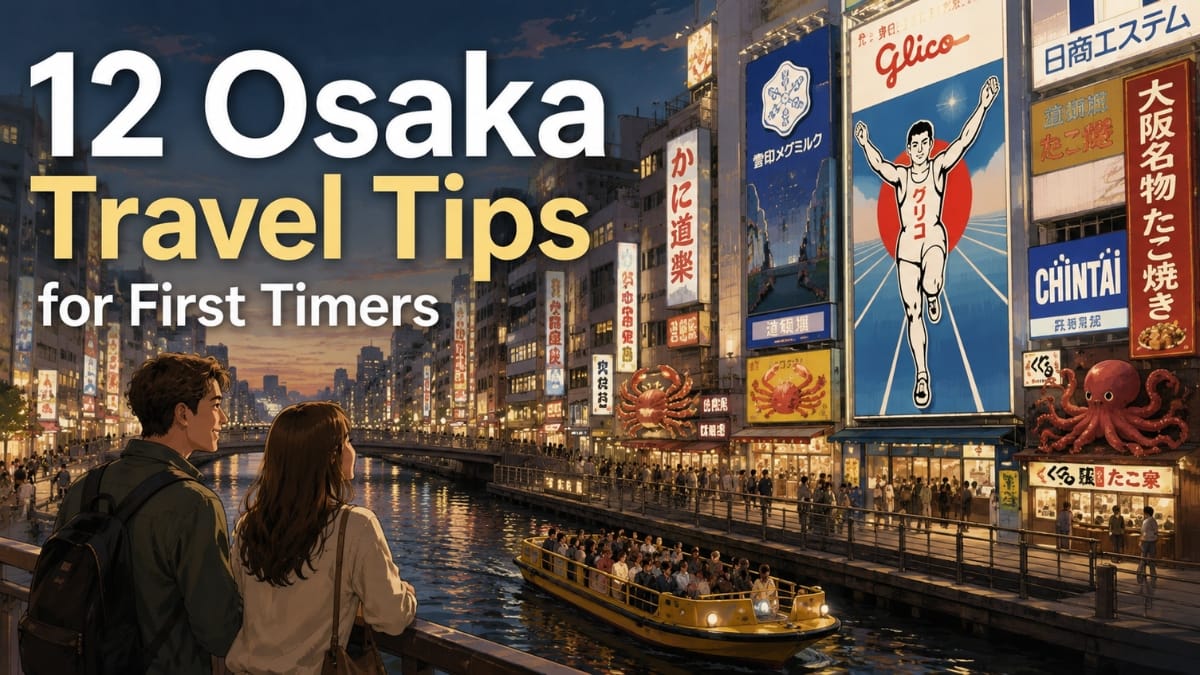
You feel Osaka fastest at the station gates. Umeda can seem huge, Namba can feel loud, and the signs, exits, and train lines can blur together after a long flight. The good news is that most first-trip stress comes from a few predictable friction points. These Osaka travel tips for first timers are meant to reduce that friction so you can spend less time second-guessing and more time enjoying the city.
Osaka travel tips for first timers: start with the right base
Your hotel location will shape the entire trip. For most first-time visitors, staying near Namba or Umeda makes the city much easier to understand. Both are major transportation hubs, both have plenty of food nearby, and both give you easy access to different sides of Osaka.
Namba suits travelers who want energy, walkability, and quick access to Dotonbori, Kuromon Market, and southern Osaka. It is especially convenient if Kansai International Airport is part of your arrival or departure plan. Umeda is better if you prefer a polished business-district feel, easier day-trip connections, and fast access to Osaka Station. Neither is universally better. If you want nightlife and street-level atmosphere, choose Namba. If you want cleaner navigation for regional travel, choose Umeda.
A common mistake is booking somewhere cheap but disconnected from major stations. Saving a little on the room can cost you time and energy every day. In Osaka, being near the right station usually matters more than having a larger room.
Learn the train system just enough
You do not need to master every rail operator before you arrive. You only need a working mental map. Osaka travel tips for first timers often overcomplicate transit, but the simplest approach is this: know your nearest station, know your main line into the areas you care about, and check the station name before you board.
Osaka has multiple operators, including JR and Metro lines, and that is where beginners get thrown off. The station names may be similar, but the lines and platforms are not always interchangeable. Osaka Station and Umeda, for example, sit in the same broad area but are not exactly the same thing in a practical way when you are navigating underground.
Use your phone, but do not rely on it blindly when tired. Before leaving your hotel each morning, confirm three details: the station name, the line name, and the exit you need. That tiny habit prevents a lot of wandering.
An IC card or mobile transit card makes life easier than buying single tickets over and over. It will not solve every navigation issue, but it removes one layer of decision-making, which matters more than people expect on a busy travel day.
Build your itinerary by area, not by attraction
First-timers often lose time by bouncing across the city for single stops. Osaka works better when you plan by neighborhood. Spend a half day or full day in one zone, then move on.
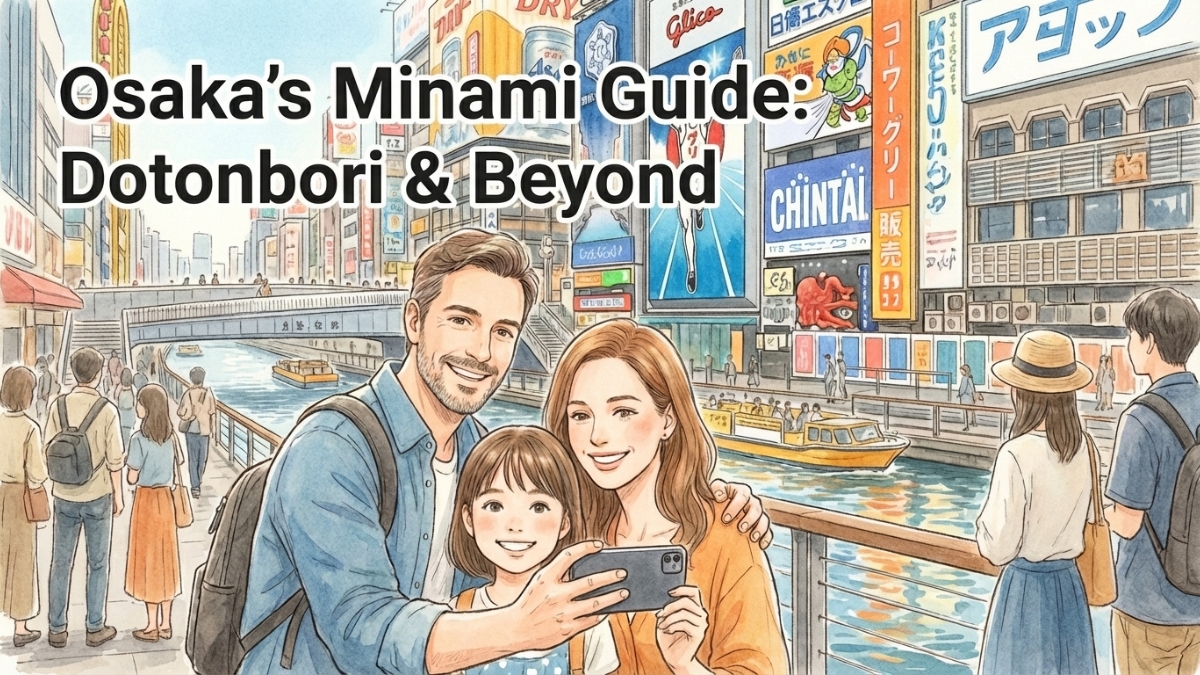
Namba, Shinsaibashi, and Dotonbori fit naturally together. Umeda and Osaka Station make sense as another cluster. Shinsekai and Tennoji pair well. If you want a slower, more local-feeling stretch, areas like Sumiyoshi or Ishikiri can add depth without requiring a complicated plan.
This approach helps in two ways. First, you spend less time in transit. Second, you start to understand the personality of each part of the city instead of collecting disconnected sights. That is usually where Osaka becomes more memorable.
Expect great food, but do not overbook it
Many first-time visitors arrive with long food lists and no room for spontaneity. Osaka rewards curiosity more than rigid scheduling. Yes, it is worth trying local staples like takoyaki, okonomiyaki, kushikatsu, and good sushi. But one of the best habits is leaving space for the place that looks busy, specialized, and focused on doing one thing well.
The trade-off is timing. If a restaurant is popular and small, peak hours can mean a long wait. If you dislike lining up, eat a little earlier for lunch and a little later for dinner. Department store food halls, station dining floors, and quieter side streets can also save you when the obvious places are packed.
Another useful point for first-timers: not every memorable meal has to be a destination meal. Osaka is one of the easiest cities to eat well without turning every lunch into an event.
Cash is less critical than before, but not useless
Card acceptance is much better than many travelers expect, especially in hotels, chain stores, transit-related settings, and larger restaurants. Still, do not assume every neighborhood spot, shrine offering box, or older-style shop will take cards.
Keep some cash on hand for smaller purchases and simpler transactions. You do not need to carry a large amount, but having enough for a casual meal, transit backup, or an unexpected cash-only stop gives you flexibility. This is less about fear and more about convenience.
Convenience stores are part of your travel toolkit
In Osaka, convenience stores are not just for snacks. They are useful for breakfast, late-night food, drinks, ATM access, simple supplies, and quick resets between neighborhoods. If you are adjusting to jet lag or had a long walking day, grabbing something easy from a convenience store can be the difference between pushing too hard and keeping your trip comfortable.
This matters more than it sounds. First-time visitors often underestimate how much energy Osaka takes, especially when they are walking, using stairs, and processing unfamiliar information all day.
Give yourself buffer time at major stations
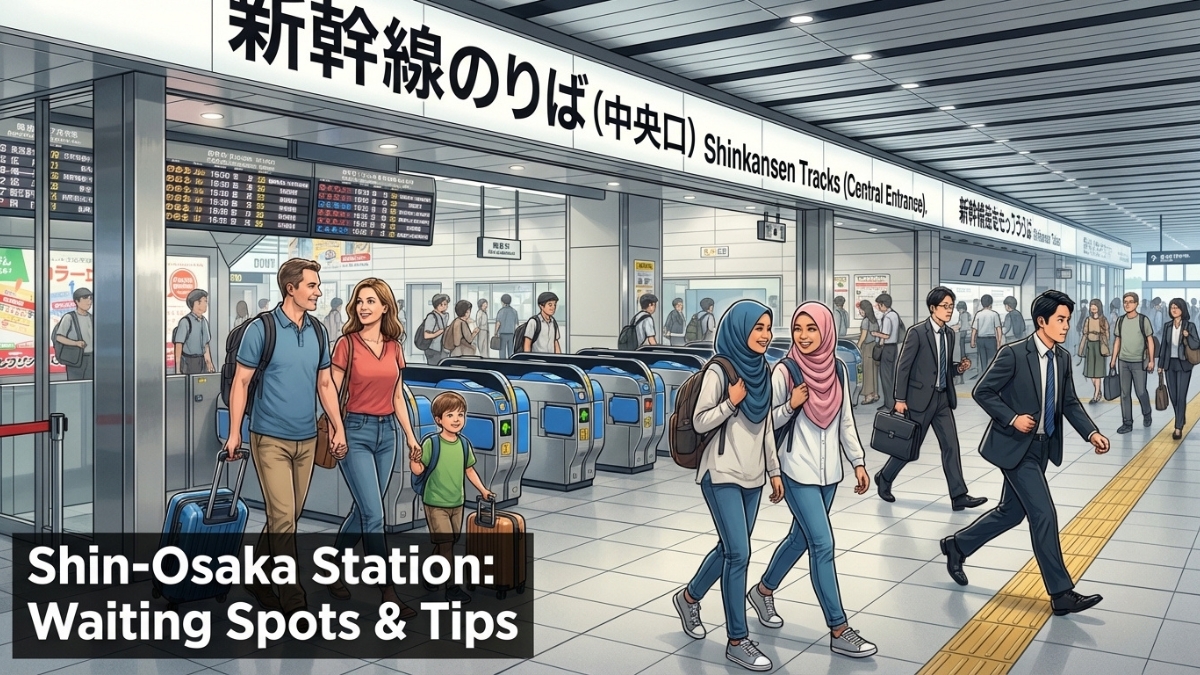
Osaka stations can be straightforward once they click, but on a first trip, they often take longer than expected. Large stations are not just train platforms. They are shopping complexes, underground passages, restaurant floors, and multiple rail systems layered together.
If you have a timed booking, airport train, or day-trip departure, arrive earlier than you think you need to. Ten extra minutes can disappear very quickly if you miss the right exit or end up on the wrong level. This is one of the least glamorous but most valuable first-time travel habits.
Do not try to “do Osaka” in one style
Some travelers only see the neon, food streets, and big-name attractions. Others focus so much on hidden spots that they skip the city’s more iconic side. Osaka is better when you allow both.
See Dotonbori at least once, even if it is busy and theatrical. But also make room for a quieter shrine, a neighborhood shopping street, or a slower cafe stop away from the main crowds. The city has humor and volume, but it also has calm corners that help balance the trip.
If your schedule is short, keep that balance simple. Pair one high-energy area with one slower one each day. You will remember more, and you will feel less worn down.
Be practical about etiquette, not anxious about it
Most first-time visitors worry too much about making small mistakes. Basic courtesy carries you a long way in Osaka. Speak softly on trains, avoid blocking walkways, line up where others are lining up, and follow the lead of the people around you.
In restaurants, shops, and stations, brief politeness matters more than perfect language. A calm attitude, patience, and awareness of your surroundings will cover most situations. The goal is not flawless performance. It is being considerate.
One small thing that helps: when escalator behavior or platform flow seems unclear, pause for a second and observe before moving. Osaka is busy, but it is also readable if you stop rushing.
Leave room for weather and fatigue
A lot of first-trip itineraries look good on paper and feel exhausting in reality. Summer heat can be draining. Rain can slow you down. Jet lag can make a simple transfer feel harder than it should.
Plan one or two anchor activities per day, then let the rest stay flexible. If your energy is high, add more. If not, shift to an easier neighborhood, a sit-down meal, or indoor browsing near a station. Osaka is forgiving in that way. There is almost always something worthwhile nearby.
This is also where focused local planning helps. A city-specific resource like Osaka Map can be useful because it lets you swap plans by area instead of starting from scratch when conditions change.
Shop and sightsee with station geography in mind
If you plan to shop, think about when you want to carry things. It sounds obvious, but many travelers buy too much early in the day and then drag bags across multiple neighborhoods. Put shopping near the end of your route when possible, especially in Umeda or Namba where it is easy to return to your hotel.
The same logic applies to sightseeing. A shrine visit that looks close on a map may involve more walking than expected from the nearest station. Always think in terms of station-to-destination effort, not just map distance.
Know when to leave the main strip
Some of the most enjoyable Osaka moments happen one or two streets away from the obvious route. That does not mean you need to chase obscure places for the sake of being different. It simply means that if Dotonbori feels too crowded, or a restaurant row feels too polished, step off the main path and see what changes.
Often the city becomes easier to enjoy when the noise drops just a little. A calmer side street, a local cafe, or a neighborhood shrine can reset your pace and make the busier areas feel more fun when you return.
Osaka does not ask first-timers to get everything right. It rewards travelers who stay flexible, choose a good base, and move through the city one area at a time. If you keep your plans clear and your pace realistic, the city starts making sense faster than you think.