
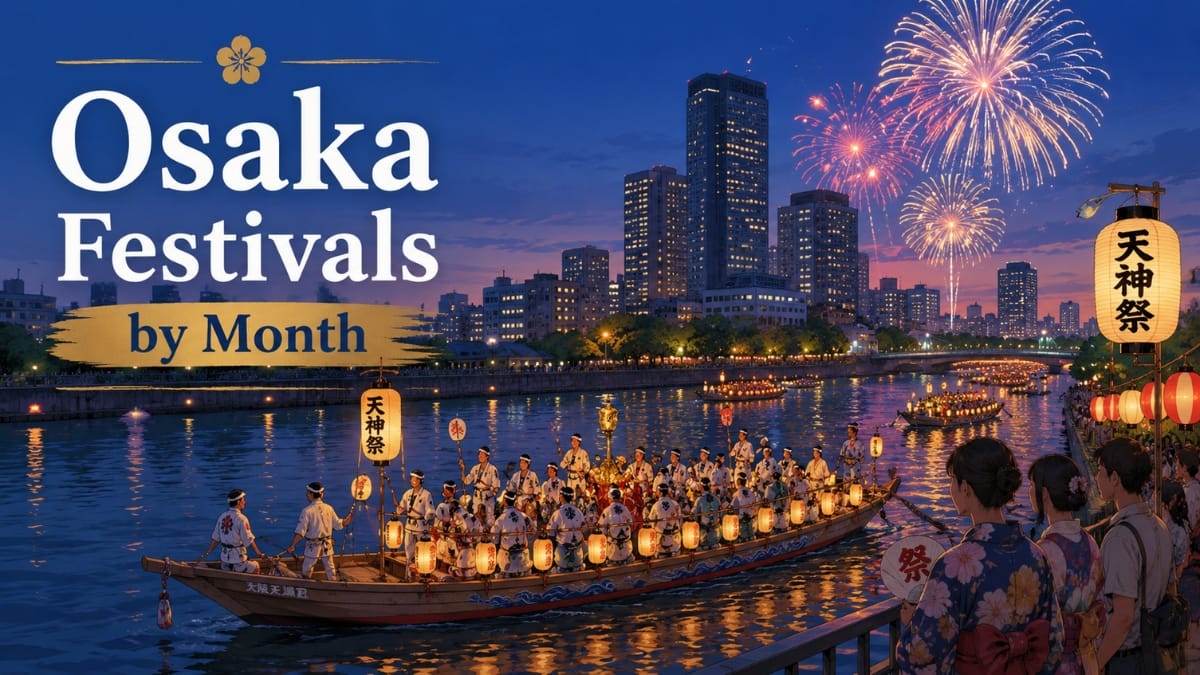
Cherry blossoms in Osaka are easy to picture. What catches many first-time visitors off guard is how full the rest of the year is too – lantern processions in summer, neighborhood shrine festivals in fall, and winter rituals that feel deeply local rather than staged for tourists. If you are trying to build a smart osaka seasonal festival calendar for your trip, the key is not chasing every event. It is knowing what kind of atmosphere each season gives you, and which festivals are worth shaping your itinerary around.
Osaka does festivals well because the city balances major public celebrations with smaller community traditions. Some events are large and famous enough to affect hotel prices and train crowding. Others are quiet local matsuri where you may be one of the few international visitors there. Both can be memorable, but they suit different travel styles.
How to use an Osaka seasonal festival calendar
The most useful way to read an Osaka seasonal festival calendar is by travel trade-offs, not just by dates. A festival can make a neighborhood more exciting, but also more crowded, louder, and slower to move through. If you love energy, street food, and seeing local families out at night, that is a plus. If you prefer easy station transfers and quieter sightseeing, you may want to schedule festival time for the evening rather than the middle of a full sightseeing day.
It also helps to remember that exact dates can shift. Some festivals happen on fixed calendar days, while others follow traditional schedules or announce details closer to the event. Treat seasonal timing as a planning framework, then confirm specifics once your travel dates are set.
Spring festivals in Osaka
Spring is the easiest season for many first-time visitors because the weather is generally comfortable and the city feels open, social, and photogenic. It is also one of the busiest times to visit.
March and April
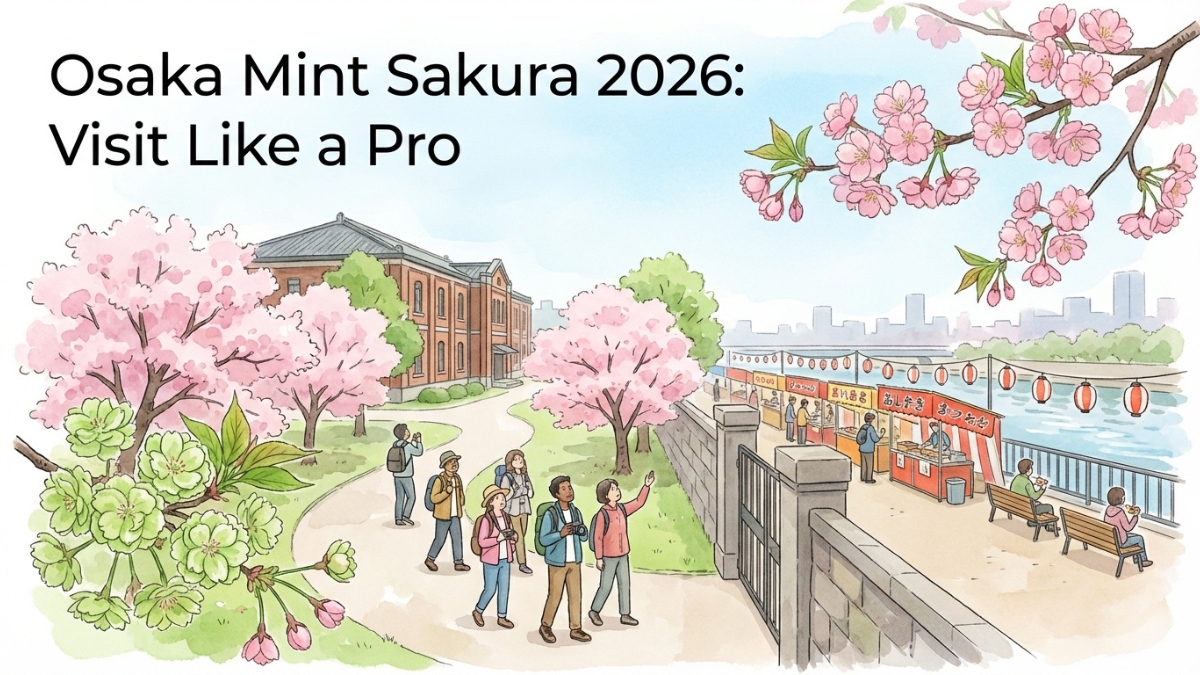
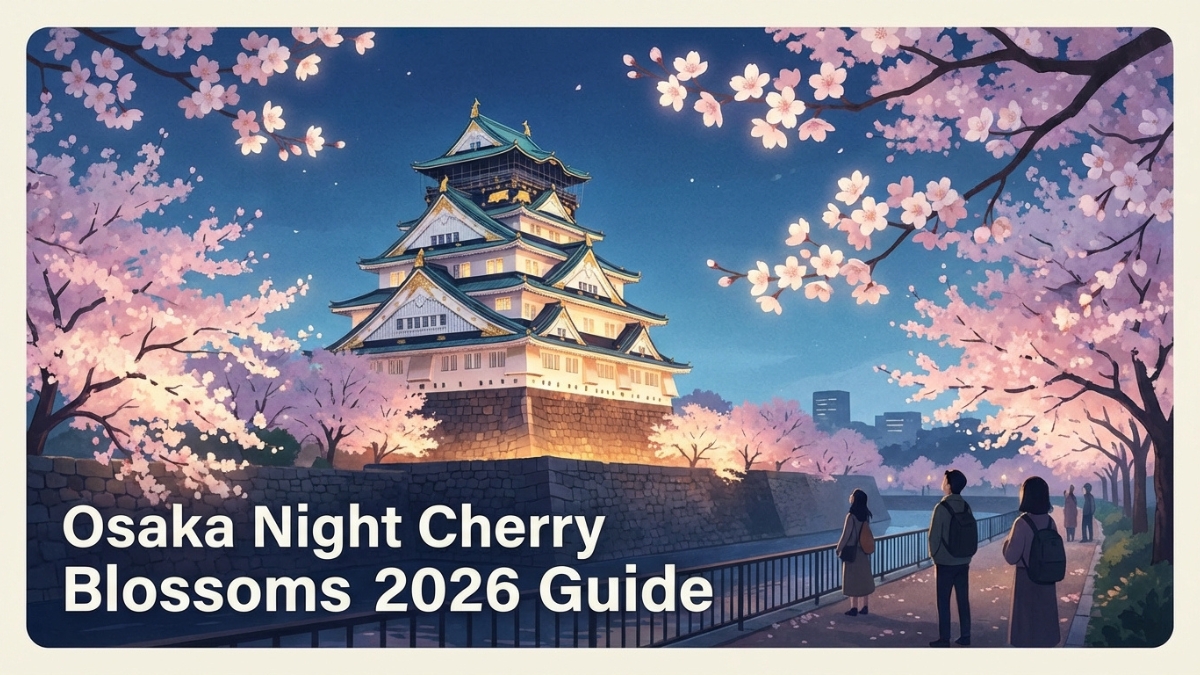
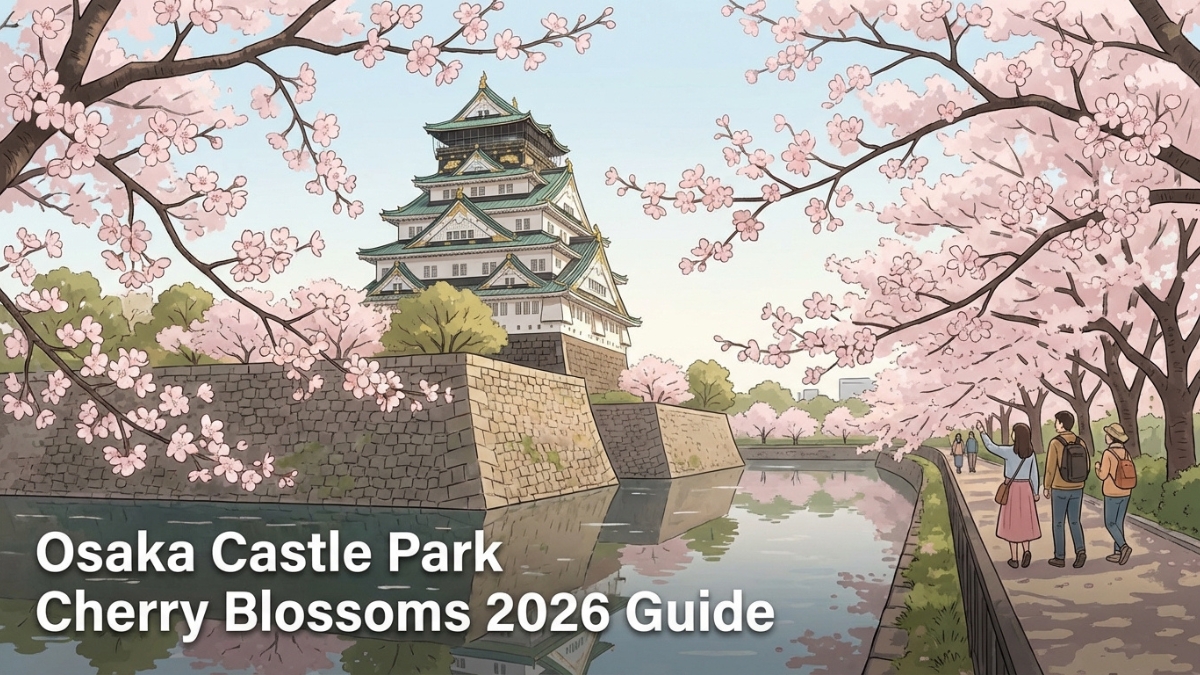
Late March into early April is dominated by cherry blossom season. While blossom viewing itself is not a single festival, parks, castle grounds, and riverside areas often feel festive, with food stalls and evening illumination depending on the year and location. Osaka Castle Park becomes especially active during this period, and that can be a good fit if you want a classic spring atmosphere without leaving the city.
For travelers, the trade-off is simple. Spring is beautiful, but popular spots fill up fast, especially on weekends. If your goal is a calm shrine visit or a slower neighborhood walk, go early in the day and save the busiest blossom locations for short visits rather than long ones.
Mid-April festivals
One of the most important spring events is Sumiyoshi Matsuri’s seasonal lead-in through shrine activity in the wider annual cycle, but in spring the better-known large city festival is often Aizen Matsuri’s place in the warmer months, so spring in Osaka is more about blossom culture, temple visits, and local events than one single city-defining parade.
That actually helps first-time visitors. Spring is flexible. You can combine seasonal food, park time, and shrine stops without needing to structure your whole trip around one headline event.
Summer is festival season in Osaka
If your image of Japan includes lanterns, yukata, taiko drums, and crowded shrine approaches, summer is when Osaka delivers most clearly. It is also hot, humid, and physically tiring. That matters more than many travelers expect.
June and July
Aizen Matsuri, usually held in late June, is often considered one of Osaka’s first major summer festivals. Centered around Aizendo Temple, it has strong local character and a long history. For visitors, it is appealing because it feels traditional and lively without always being as overwhelming as the biggest citywide events.
In July, Tenjin Matsuri is the major one to know. It is among Japan’s most famous festivals and one of Osaka’s signature annual events. The celebration includes land processions, river elements, and fireworks, with activity focused around Osaka Tenmangu Shrine and the surrounding area. If your trip overlaps with late July, this is the festival most likely to shape your schedule.
Tenjin Matsuri is impressive, but it is not automatically the best choice for everyone. Expect serious crowds, packed trains, and limited personal space, especially near evening viewing areas. If you want to experience it with less stress, arrive earlier than you think necessary, choose one area to focus on, and avoid trying to combine it with multiple other attractions the same day.
Summer neighborhood festivals
Beyond the headline events, summer is when smaller shrine festivals appear across the city. These can be some of the most rewarding experiences for travelers who want a more local side of Osaka. You may find food stalls, children playing festival games, and residents gathering in a way that feels more intimate than major tourism-driven events.
The catch is that these festivals can be harder to plan far in advance. Dates and scale vary, and not every event is heavily promoted in English. If you are staying in a neighborhood with an active local shrine, it is worth checking nearby notice boards or current local event listings once you arrive.
Fall festivals offer a more local feel
Fall is often the most comfortable season for travelers who want cultural atmosphere without peak spring crowds or summer heat. The city feels more manageable, and festival experiences can feel more grounded in neighborhood tradition.
September and October
Autumn shrine festivals take place in different parts of Osaka and can range from portable shrine processions to evening gatherings with food stalls. Depending on where you stay, you may come across events that are not famous internationally but still feel special because they are woven into local life.
This is a strong season for travelers who like balance. You can spend the day exploring places like Namba, Umeda, or Sumiyoshi at a normal pace, then head to a festival in the late afternoon or evening without the same heat stress that comes with summer.
Danjiri and regional atmosphere
If your Osaka trip includes time beyond the city center, early fall is also when danjiri festivals in the wider Osaka area become relevant. These festivals feature wooden floats pulled at speed and have a more intense, community-driven energy. They are not always in central Osaka itself, but they are part of the broader seasonal rhythm many visitors are curious about.
For some travelers, this is exactly the kind of authentic experience they want. For others, it may be less accessible if they prefer easy transit, clear signage, and events with a more straightforward spectator setup. It depends on how confident you feel navigating beyond the main tourist zones.
Winter festivals and New Year traditions
Winter in Osaka is less about nonstop matsuri energy and more about meaningful seasonal visits. That can actually make it one of the easiest times to connect with local ritual in a calm, understandable way.
December
December brings temple and shrine activity connected to year-end customs, light displays in some districts, and a general shift toward winter atmosphere rather than large outdoor festivals. If you are visiting for holiday season ambiance, Osaka offers more illumination and shopping energy than classic festival spectacle.
January and early February
New Year shrine visits, known as hatsumode, are the most important seasonal tradition to understand. Major shrines can become very busy in the first days of January as locals pray for good fortune in the year ahead. For travelers, this can be a wonderful cultural experience if you are comfortable with crowds and willing to observe respectfully.
Setsubun in early February is another seasonal event worth watching for, especially at temples and shrines with bean-throwing ceremonies or special rituals. It is not as visually dramatic as a summer parade, but it gives you a closer look at how seasonal tradition still shapes city life.
Best months by travel style
If you want the biggest festival experience, late July stands out because of Tenjin Matsuri. If you want local summer atmosphere without making one event the center of your trip, late June through August gives you more flexibility.
If you care most about comfort, October is hard to beat. The weather is easier, crowds are often more manageable than in peak blossom season, and neighborhood festivals can feel accessible rather than overwhelming.
If you are visiting for first-time Japan highlights and want festivals as a bonus rather than the main purpose, spring works well. You get seasonal beauty, food, and public atmosphere without needing to organize your entire route around one event.
Practical planning tips for festival days
In Osaka, festival planning is really crowd planning. Stay near the area of the event if it is a major one, or at least near a direct train line. Wear shoes that can handle long periods of standing, and keep your daytime schedule light if you plan to attend an evening festival.
It is also wise to eat earlier than usual. Food stalls are part of the appeal, but lines can get long and seating may be limited. If you have dietary restrictions or simply do not want to rely on festival food, have an early meal before heading in.
Photography is usually fine in public festival spaces, but this is still a real community event, not a performance set up for visitors. A little patience and awareness go a long way, especially at shrines, during prayer moments, or when families are gathered in tighter areas.
For most first-time visitors, the best osaka seasonal festival calendar is not the one packed with every possible event. It is the one that leaves enough room to enjoy the neighborhood around it, whether that means a quiet shrine visit before sunset, a simple street snack after dark, or the feeling that for one evening, Osaka stopped being confusing and started making sense.