
Dotonbori, Umeda, and Osaka Station can feel intensely busy, especially after late morning. The best quiet places in Osaka offer a useful reset between major sights: somewhere to sit, walk slowly, or spend an hour away from shopping streets and station crowds. Quiet does not always mean empty, but these places generally have more space, softer noise, and a calmer pace.
For the easiest day, choose one quiet stop near the area you are already visiting. A temple or garden works well in the morning, while a riverside park is often better in the late afternoon. Avoid expecting complete silence on weekends, during cherry blossom season, or on national holidays.
Best quiet places in Osaka by area and access
Sumiyoshi Taisha
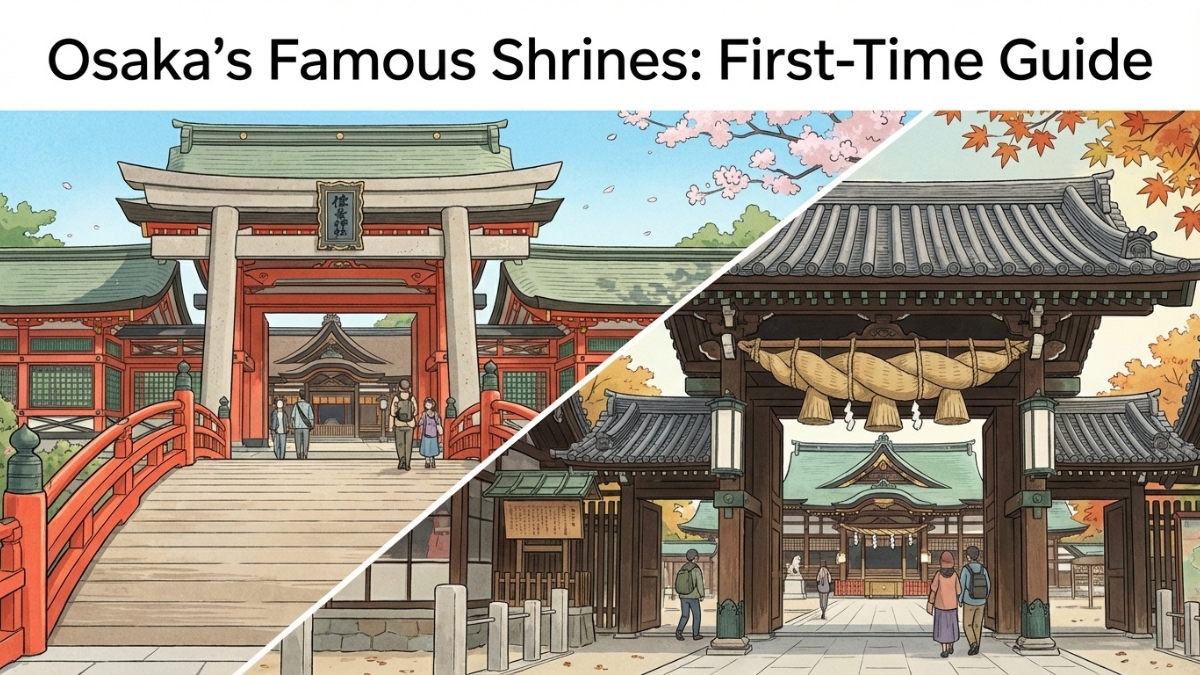
Sumiyoshi Taisha is one of the most practical peaceful stops for travelers staying in Namba. Its grounds are broad, with several shrine buildings, stone paths, and open areas that spread visitors out better than compact central shrines. The steep arched bridge is the busiest point, but the paths beyond it are usually calmer.
Take the Nankai Main Line from Namba to Sumiyoshi Taisha Station, then walk a few minutes. You can also use the Hankai tram, which is slower but gives a more local view of southern Osaka. Allow 45 to 75 minutes, and visit before 10 a.m. if you want the least crowded experience. As at any shrine, do not block worshippers, keep voices low near prayer areas, and do not enter restricted spaces.
Shitennoji Temple
Shitennoji is close to Tennoji but feels separate from the commercial streets around the station. The large temple layout, wide gravel areas, and central pond garden create room to pause even when other visitors are present. It is a good choice if you want a cultural stop without making a long trip across the city.
Shitennoji-mae Yuhigaoka Station on the Tanimachi Line is the simplest access point, with a short walk to the temple. Some inner areas and gardens require admission, while the outer grounds are easier to visit briefly. Weekday mornings are generally the calmest; on the 21st and 22nd of each month, the temple market brings a very different, much busier atmosphere.
Keitakuen Garden
Keitakuen Garden is inside Tennoji Park, a short walk from Tennoji Station, but it is much quieter than the surrounding shopping and entertainment areas. This compact Japanese garden has a pond, small hills, and carefully maintained paths. It is best for travelers who want a contained, low-effort break rather than a long walk.
Entry is paid, and the garden has set opening hours, so check the current schedule before going. Plan for 30 to 45 minutes. The garden can feel especially peaceful on a weekday after the morning rush, but it is not designed for picnics or loud group activities. Keep to the paths and follow any photography restrictions posted at the entrance.
Utsubo Park
Utsubo Park is a long green strip between Honmachi and Awaza, surrounded by offices, apartments, and cafes. It is not a formal sightseeing attraction, which is part of its appeal. Office workers, dog walkers, and nearby residents use it throughout the day, but there is usually enough room to find a bench away from the main paths.
Walk about 5 to 10 minutes from Hommachi Station, depending on the exit you use. The park is a useful stop between the busy Namba area and the riverfront around Nakanoshima. Go on a weekday afternoon or early evening. During rose season and weekend events, the central sections can be considerably busier.
Nakanoshima Park and the riverside
Nakanoshima Park sits between the Dojima and Tosabori rivers in central Osaka. The main lawn and rose garden can attract visitors, but the riverside paths become calmer if you walk east or west away from the center. This is a good option when you are sightseeing around Umeda, Kitahama, or Osaka City Hall and need a break without leaving central Osaka.
Yodoyabashi, Kitahama, and Naniwabashi stations provide convenient access from different sides of the park. Allow 30 minutes for a short walk, or longer if you want to stop at a cafe nearby. The river can feel breezy in cooler months. At night, paths remain public and well used in central sections, but a daytime visit is easier for first-time visitors who are still learning the area.
Kema Sakuranomiya Park
For a longer waterside walk, Kema Sakuranomiya Park follows the Okawa River north of Temmabashi. It is well known for cherry blossoms, but outside the peak spring period it is one of the better places for open views and a slower walk near central Osaka. The sound of trains and city traffic is still present, so think of it as spacious rather than silent.
Temmabashi Station is the easiest starting point. Walk north along the river for as long as you like, then return to the station or continue toward Sakuranomiya Station. One hour is enough for a relaxed section of the path. In late March and early April, choose another place if avoiding crowds is your main goal.
Nagai Botanical Garden
Nagai Botanical Garden gives you more space than most central parks and is especially useful for travelers who have already seen Osaka Castle and the major shopping districts. The garden has wide paths, seasonal plantings, and areas where the city feels less immediate. It suits families, solo travelers, and anyone who wants an unhurried morning outdoors.
Use Nagai Station on the Midosuji Line, then walk through Nagai Park to the garden entrance. Admission is charged, and hours vary by season, so confirm current details before leaving your hotel. Plan for 60 to 90 minutes. Evening digital-art events may use the same wider park area at certain times, so do not assume a nighttime visit will be quiet.
Tsurumi Ryokuchi Park
Tsurumi Ryokuchi is a large park in eastern Osaka with broad lawns, water features, flower areas, and long walking routes. Because it is spread out, it rarely feels as compressed as central sightseeing spots. It is a sensible choice for a half-day when you want fresh air but do not need a formal attraction.
Tsurumi-ryokuchi Station on the Nagahori Tsurumi-ryokuchi Line is directly useful for access. Give yourself at least 90 minutes, and more if you are visiting with children or stopping for a picnic. Bring water and use the restrooms before heading far from the station area. Weekend sports and family gatherings can raise the noise level, but the park is large enough to walk away from them.
Osaka Castle Park’s quieter edges
Osaka Castle Park is not generally quiet around the castle tower, the museum entrances, or cherry blossom season. However, the outer moats, western paths, and less direct routes near Morinomiya can be noticeably calmer than the central approach. This makes it a practical compromise if your group wants to see Osaka Castle but you also need a breather.
Morinomiya Station is useful for entering from the southeast, while Osakajokoen Station is closer to the busier main areas. Walk the outer paths first, then decide whether the castle tower is worth the queues for your itinerary. Expect crowds around midday. An early arrival gives you the best chance to enjoy the grounds before tour groups and school trips increase.
Expo ’70 Commemorative Park
Expo ’70 Commemorative Park in Suita is outside central Osaka, but it is easy enough for a half-day trip and has more breathing room than most city parks. The grounds include open lawns, tree-lined paths, Japanese garden areas, and seasonal displays. It works best when you have a flexible afternoon and do not want another dense urban attraction.
Take the Osaka Monorail to Banpaku-kinen-koen Station. The trip requires more planning than a central park, and admission applies to parts of the site, but the extra travel is worthwhile if space is your priority. Allow three to four hours including transportation from central Osaka. Check event dates before going, as concerts and festivals can change the atmosphere completely.
How to plan a quiet break without losing time
Start with the station nearest your hotel, not the place that looks most peaceful on a map. From Namba, Sumiyoshi Taisha is usually easier than Expo ’70 Park. From Umeda, Nakanoshima or Kema Sakuranomiya Park makes more sense. Google Maps is helpful for train routes, but check which station exit it suggests: large Osaka stations can add 10 minutes or more to a walk.
Use an IC card for trains, subways, and most buses. It reduces the stress of buying separate tickets when you are tired. Carry cash as well, since temple and garden admission counters may not always be the best place to rely on a card payment.
Quiet places are shared public spaces, not private relaxation rooms. Keep phone calls short, do not play music aloud, and avoid sitting on steps or pathways used for worship or movement. If you need a truly indoor rest, choose a department store cafe or hotel lounge nearby, but expect to buy something and possibly wait for a seat.
The most useful quiet stop is the one that fits naturally between your plans. A 45-minute walk beside the river or a short temple visit can make the rest of a busy Osaka day feel much easier to manage.