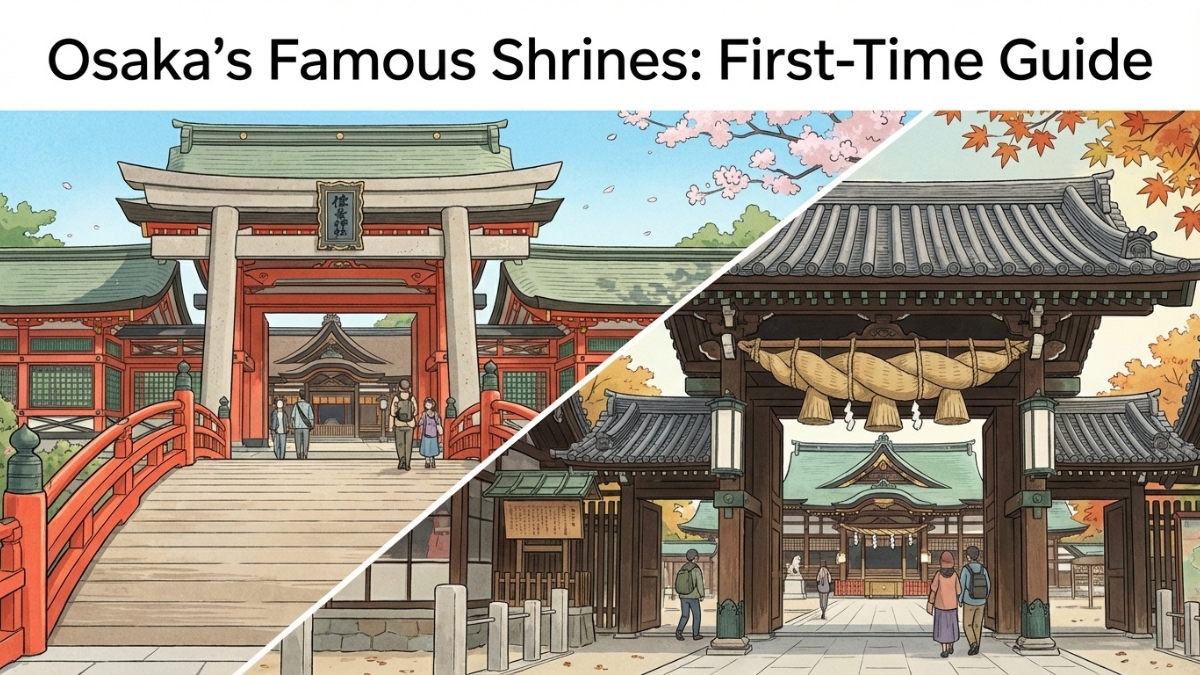

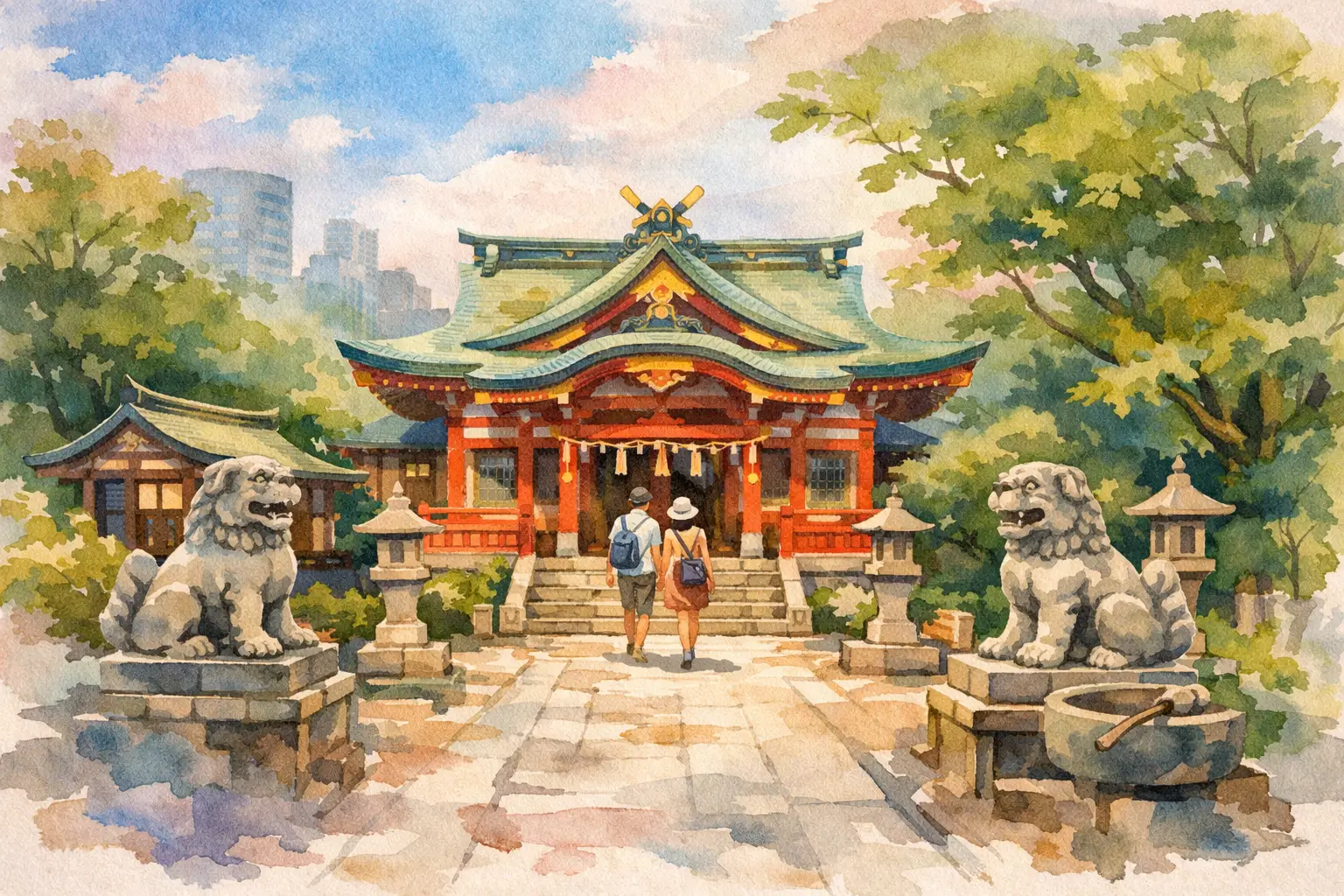
A shrine visit can fit between Osaka’s busiest sights without taking up a full day. The best shrines in Osaka range from major historic precincts to small central-city stops, and each works differently depending on where you are staying, how much time you have, and what you want to see.
For most first-time visitors, the practical choice is not necessarily the shrine with the biggest name. Choose one that fits naturally into your route, arrive with a little quiet time, and understand the basic etiquette before you enter. Shrines are places of Shinto worship, not museums, so a respectful and unhurried visit matters more than seeing as many as possible.
Best shrines in Osaka by area and travel style
1. Sumiyoshi Taisha – the best choice for a major shrine visit
Sumiyoshi Taisha, in southern Osaka, is the city’s most significant shrine destination and the best option if you want a substantial visit rather than a quick photo stop. Its grounds contain several main shrines, stone lanterns, pathways, and the well-known arched Sorihashi Bridge. The architecture is also notably different from the bright vermilion gate style many visitors expect from shrines elsewhere in Japan.
The nearest station is Sumiyoshi Taisha Station on the Nankai Main Line, a short walk from the entrance. You can also use the Hankai tram, which is slower but can be a pleasant option if it fits your route. From Namba, the Nankai train is usually the simplest approach.
Allow 60 to 90 minutes, especially if you want to walk through the full grounds at a relaxed pace. Admission to the grounds is free. Early morning is the calmest time. It becomes especially crowded around New Year and during major festival periods, when the surrounding streets can also be busy.
2. Namba Yasaka Shrine – best for a short stop near Namba
Namba Yasaka Shrine is known for its enormous lion-head stage, a striking structure that makes this one of the most visually memorable shrines in central Osaka. It is a useful stop if you are based in Namba, visiting Dotonbori, or walking between Namba Station and the Shinsekai area.
The shrine is about a 10-minute walk from Namba Station, depending on which exit you use. It is also reachable from Daikokucho Station. The walk is straightforward, but the shrine sits on quieter streets away from the neon and shopping arcades, so check your map before leaving the station area.
Most visitors need 20 to 30 minutes. The compact grounds make it easy to add to a busy day, but this is not the place to plan a long cultural visit. Visit early if you want clearer photographs, as the lion head is a popular backdrop and the courtyard can feel crowded in the afternoon.
3. Osaka Tenmangu – best near Umeda and Osaka Station
Osaka Tenmangu is a convenient shrine for travelers exploring the north side of the city. It is dedicated to Sugawara Michizane, a figure associated with learning, so students and families often visit to pray for success in exams. The shrine is also central to the Tenjin Matsuri, one of Osaka’s major summer festivals.
The closest rail access is Osaka-temmangu Station on the JR Tozai Line or Minami-morimachi Station on the Osaka Metro. From Umeda or Osaka Station, it is a short train ride rather than an easy walk for most visitors. If you are already visiting the Tenjinbashi-suji Shopping Street, the shrine is very close.
Allow around 30 to 45 minutes for the shrine itself, then leave time for the shopping street if you want lunch or casual browsing. The main grounds are free to enter. During Tenjin Matsuri in late July, this area is much busier than usual, with road closures and crowded trains. It is exciting if you are specifically attending the festival, but not ideal for a quiet visit.
4. Hōkoku Shrine – best to combine with Osaka Castle
Hōkoku Shrine stands within the Osaka Castle Park area and is dedicated to Toyotomi Hideyoshi, the 16th-century leader closely connected with Osaka Castle. It is a sensible addition if you are already visiting the castle, particularly if you want a quieter pause before or after the castle museum.
Access is easiest from Morinomiya Station, Osakajokoen Station, or Tanimachi 4-chome Station, though walking times vary because the park is large. Do not assume the shrine is next to the castle tower. Check the park map and allow extra time, especially on a hot or rainy day.
A visit takes about 20 to 30 minutes. The shrine grounds are free, while Osaka Castle’s museum and some nearby attractions have separate admission charges. This is a good choice for travelers who have limited time and want to include a shrine without making a separate trip across the city.
5. Tsuyunoten Shrine – best for a central, quiet stop
Tsuyunoten Shrine, often called Ohatsu Tenjin, is hidden among office buildings, restaurants, and covered shopping streets near Umeda. The contrast is part of its appeal: you can step off a busy downtown street and find a small, calm religious space within minutes.
It is within walking distance of Osaka Station, Umeda Station, Kitashinchi Station, and Higashi-Umeda Station. Station exits in this area can be confusing, so use a map app once you are above ground. The shrine is near the Ohatsu Tenjin-dori shopping street, which makes it easy to combine with lunch or dinner.
Plan 15 to 25 minutes. It is best treated as a brief stop, not a standalone destination. Because it is in a dense nightlife and dining district, the approach can feel busy in the evening, while the shrine itself remains more subdued.
6. Ikukunitama Shrine – best near Nippombashi and Uehommachi
Ikukunitama Shrine, commonly shortened to Ikutama Shrine, is a larger and more peaceful option east of Namba. It is useful for travelers staying near Nippombashi, Kuromon Market, Uehommachi, or Tanimachi 9-chome. The raised setting and broad grounds give it more space than many central Osaka shrines.
Tanimachi 9-chome Station is the closest practical station, with Nippombashi also within walking distance for many visitors. Expect a slight uphill walk from the station area. It is manageable for most people, but may be less convenient with strollers or heavy luggage.
Allow 30 to 45 minutes. The grounds are free, and mornings are particularly pleasant before the nearby shopping and market areas become crowded. If you want a shrine visit near Namba but prefer somewhere less focused on a single photo spot, this is a strong alternative to Namba Yasaka Shrine.
7. Ishikiri Tsurugiya Shrine – best for a half-day outside the center
Ishikiri Tsurugiya Shrine is in eastern Osaka, near the base of Mount Ikoma. It is associated with prayers for health and recovery, and the approach road is lined with small shops, fortune-telling businesses, and local snack stalls. The atmosphere is more neighborhood-oriented than central Osaka’s main sightseeing areas.
Use Ishikiri Station on the Kintetsu Nara Line, then walk uphill toward the shrine. The route is not difficult, but it is steeper than the walk to most central shrines. Wear comfortable shoes and avoid trying to fit this into an already packed day around Umeda or Namba.
Set aside two to three hours including travel from central Osaka. This is the least convenient option on this list, but it suits travelers who have already seen the central districts and want a slower, more local-feeling outing.
Shrine etiquette that helps you avoid common mistakes
At the entrance, pass through the torii gate respectfully and avoid walking directly down the center of the path. The center is traditionally considered the route for the deity. If there is a water pavilion, use the ladle to rinse one hand, then the other. You can rinse your mouth by pouring water into your hand, but do not drink directly from the ladle.
At the prayer area, a common sequence is to place an offering in the box, bow twice, clap twice, make a quiet prayer, and bow once more. A small coin is fine. You do not need to buy an amulet, fortune, or prayer plaque to enter or pray.
Photography is usually fine in outdoor public areas, but signs may restrict photos inside worship buildings or during ceremonies. Do not photograph people praying closely, and keep voices low. Shrines can host weddings, blessings, and other services without warning.
Choosing the right shrine for your Osaka itinerary
Choose Sumiyoshi Taisha if a shrine is one of your main goals. Choose Namba Yasaka Shrine for an easy central stop and a distinctive photo. Osaka Tenmangu works best with Umeda and the Tenjinbashi-suji area, while Hōkoku Shrine is the practical choice on an Osaka Castle day.
A short shrine visit can add welcome space to an Osaka itinerary full of stations, shopping streets, and food stops. Leave your schedule slightly open, go at a quieter hour if possible, and let the location decide which shrine makes the most sense that day.