
If you’re figuring out how to visit Sumiyoshi Taisha, the good news is that this is one of Osaka’s easiest major shrines to add to your trip. It feels historic and calm without being hard to reach, and it gives you a very different side of the city from the bright, crowded pace around Namba or Umeda. For first-time visitors, that balance matters – you get a memorable cultural stop without turning the day into a logistics problem.
Why visit Sumiyoshi Taisha
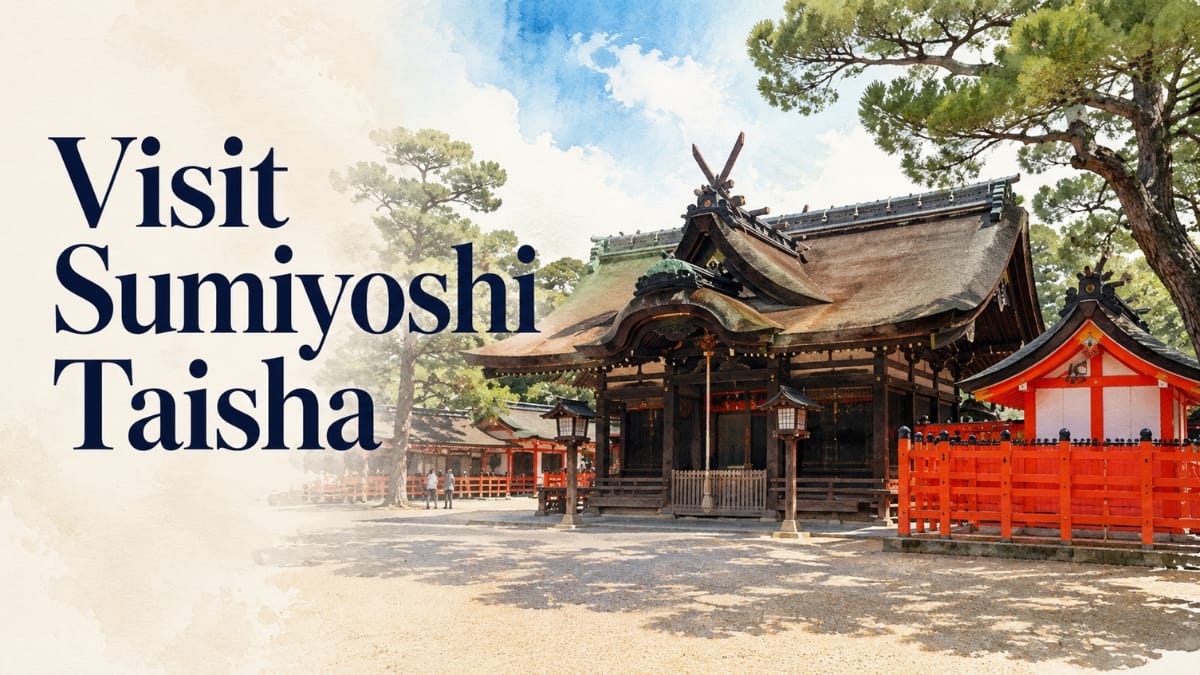
Sumiyoshi Taisha is one of Japan’s most important shrines and the head shrine of all Sumiyoshi shrines across the country. Even if you are not deeply familiar with Shinto history, the site stands out right away. The arched Sorihashi Bridge, the lantern-lined grounds, and the distinct shrine architecture make it feel rooted in a much older Osaka.
This is also a good shrine for travelers who want atmosphere without the intensity of some better-known Kyoto sites. It can still get busy, especially around New Year and on weekends, but the grounds are broad enough that a regular visit often feels relaxed. If you want a shrine experience that is culturally significant, photogenic, and manageable on a first Osaka trip, this is a strong choice.
How to visit Sumiyoshi Taisha from central Osaka
For most travelers, the easiest way to visit is by train. Sumiyoshi Taisha is in southern Osaka, and it connects well enough that you do not need to overthink it.
If you are staying around Namba, the most straightforward option is usually the Nankai Line from Namba Station to Sumiyoshitaisha Station. The ride is short, and from the station it is only a brief walk to the shrine. This is often the least stressful route for visitors because it is simple and direct.
Another good option is the Hankai Tramway, which feels more local and a little more memorable. If you like slower neighborhood travel and want to see a different side of Osaka on the way, the tram can be part of the experience rather than just transport. The trade-off is that it may feel less intuitive if you are still getting comfortable with Osaka transit.
If you are coming from Umeda or Osaka Station, expect at least one transfer. That does not make the trip difficult, but it does mean you should check your route before leaving rather than relying on guesswork in the station. In practice, the journey is still very reasonable and works well as a half-day outing.
Best time to go
The best time to visit Sumiyoshi Taisha depends on what kind of experience you want. On a regular weekday morning, the shrine is at its calmest. You will have softer light for photos, fewer people on the bridge, and more room to walk the grounds at your own pace.
Late morning to early afternoon is still fine for most visitors, especially if this fits your wider Osaka schedule better. If you are choosing between convenience and quiet, convenience may win, and that is perfectly reasonable. Sumiyoshi Taisha is large enough that even when it is active, it rarely feels unworkable.
The one major exception is New Year. Sumiyoshi Taisha is one of Osaka’s biggest hatsumode destinations, which means the first shrine visit of the year draws very large crowds. That can be exciting if you want to witness a major local tradition, but it is not the best version of the site for a calm first visit. If your goal is atmosphere and ease, avoid the first days of January.
Seasonally, spring and autumn are especially pleasant. Summer can be beautiful but hot and humid, with less shade than some visitors expect. In winter, the grounds can feel crisp and peaceful, which suits the shrine well.
What to see when you arrive
Most visitors start with the Sorihashi Bridge, also called Taiko-bashi. This steep red bridge is the visual signature of Sumiyoshi Taisha and one of the main reasons the shrine is so recognizable. It is worth taking a moment here before rushing farther in. The bridge frames the visit and immediately sets the tone.
Beyond the bridge, the main shrine precinct includes four principal halls. Their style is especially important because Sumiyoshi-zukuri is one of Japan’s oldest shrine architectural forms. You do not need an academic background to appreciate it. What matters on a first visit is noticing how different the buildings feel from more ornate temple structures travelers often see elsewhere.
The grounds also include smaller shrines, stone features, and tree-lined paths that reward a slower walk. This is not a place where you need to race from sight to sight. The appeal is in the overall setting as much as in any single object.
If you enjoy goshuin, or shrine stamps collected in a special book, this can be a good place to receive one. As with many shrine experiences in Japan, it helps to approach this respectfully and with patience.
How long to spend at Sumiyoshi Taisha
For most first-time visitors, 45 minutes to 90 minutes is the right amount of time. That gives you enough space to cross the bridge, visit the main areas, take photos, and move at a comfortable pace.
If you are very interested in shrine architecture, local history, or quiet neighborhood walks, you could easily stay longer. On the other hand, if Sumiyoshi Taisha is one stop in a bigger south Osaka day, an hour is usually enough to make the visit feel worthwhile.
This flexibility is part of what makes it easy to recommend. It works as a focused cultural stop, but it can also fit into a broader plan without exhausting your schedule.
Etiquette and what to expect
Sumiyoshi Taisha is an active religious site, not just a landmark. That does not mean you need to be anxious, but a little awareness goes a long way.
Walk calmly, keep your voice low near worship areas, and avoid treating every space as a photo set. If you would like to pray, you can observe others first. Many travelers worry about doing something wrong, but respectful behavior matters more than perfect ritual knowledge.
You may see purification fountains near the entrance areas. If you want to take part, follow the general pattern used by others nearby. If you are unsure, it is also fine to simply continue on. No one expects foreign visitors to know every detail.
Photography is usually part of the visit for many people, especially around the bridge and outer grounds, but pay attention to signs in more sensitive areas. When in doubt, choose restraint.
Pairing Sumiyoshi Taisha with nearby stops
One of the best ways to visit Sumiyoshi Taisha is to pair it with a slower local itinerary. This area is not about packing in headline attractions. It is better for travelers who want a more grounded Osaka half day.
You can combine the shrine with a ride on the Hankai Tram, a local cafe stop, or time around nearby neighborhoods rather than rushing back immediately to the city center. That approach works especially well if your trip has already included Dotonbori, Shinsaibashi, or Osaka Castle and you want something quieter.
If your schedule is tight, you can also visit Sumiyoshi Taisha before heading toward Sakai or as a lighter morning activity before a busier afternoon. It depends on your pace. Some travelers want a calm cultural start to the day, while others use it as a reset after more crowded sightseeing.
Practical tips for a low-stress visit
Wear comfortable shoes. The visit itself is not strenuous, but you will want to walk the grounds without thinking about your feet. Bring some cash as well, especially if you want to make a small offering, buy a charm, or collect a goshuin.
Try not to overbuild the plan. Sumiyoshi Taisha is best experienced with a little breathing room. If you schedule it too tightly between meals, shopping, and multiple train changes, you lose some of what makes it appealing.
It also helps to check the weather. The shrine remains worth visiting in light rain, and the grounds can even look atmospheric, but heavy weather changes the experience. On a clear day, the bridge and open spaces are much easier to enjoy.
For travelers using Osaka Map to plan by area, Sumiyoshi is one of those neighborhoods that rewards curiosity. It may not be the loudest part of the city, but that is exactly why many first-time visitors remember it so clearly.
If Osaka has felt fast and overstimulating, Sumiyoshi Taisha is a good place to slow the trip down for an hour and let the city show a quieter side.